
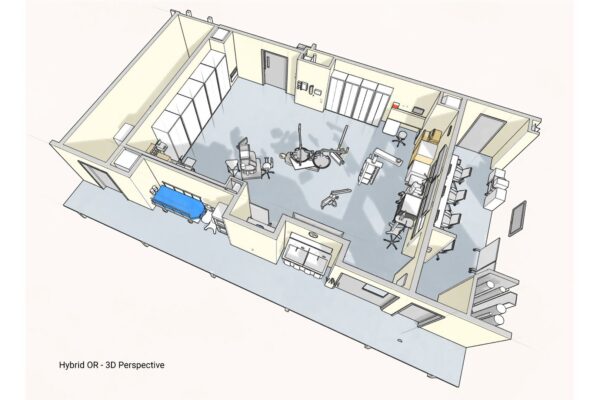
An Interdisciplinary Perspective on the Future Design of Interventional Imaging Spaces, Part II
An example of an isometric operating room provided by Cuningham. | Photo Credit: Cuningham By Amy Keller Frye; Heather Rusch…

An example of an isometric operating room provided by Cuningham. | Photo Credit: Cuningham By Amy Keller Frye; Heather Rusch…
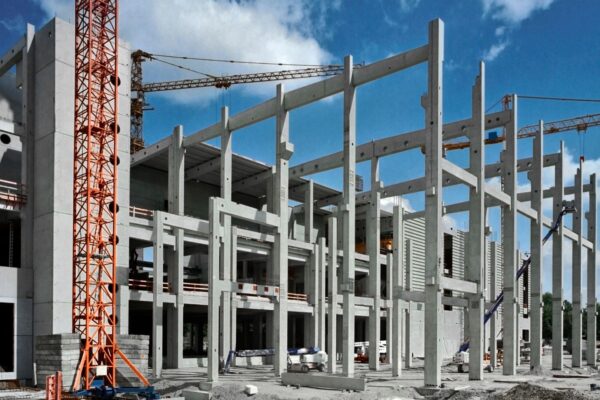
Healthcare construction is expected to continue to grow in 2026 with some of the same industry factors experienced last year impacting projects, including shifts in care delivery, rising demand for outpatient facilities and the need for more flexible, efficient buildings.
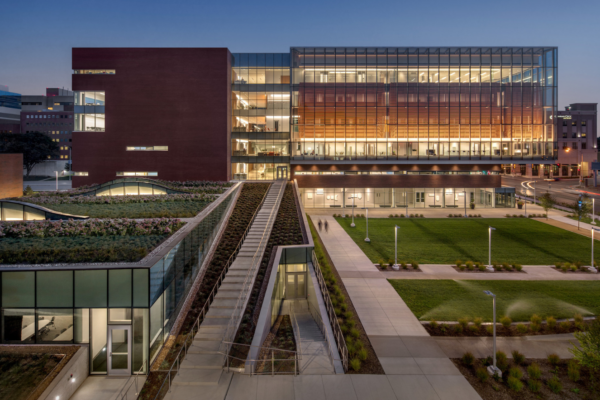
Healthcare facilities have always been complex to design and build, but today’s environment is introducing a new level of pressure.
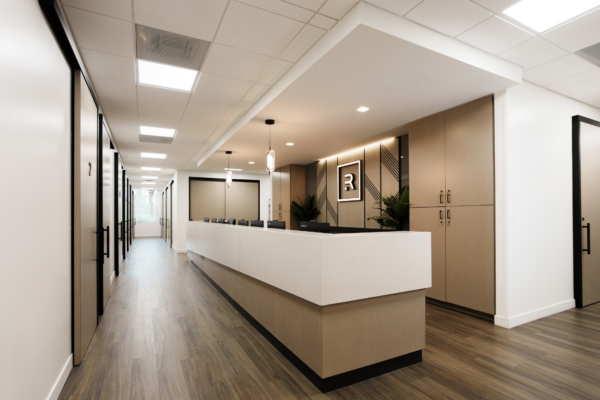
Modern dermatology practices often combine medical care, cosmetic services and retail offerings under one roof.

Low-voltage systems, including structured cabling, Wi-Fi, AV, physical security and access control are the central nervous system of a modern building.
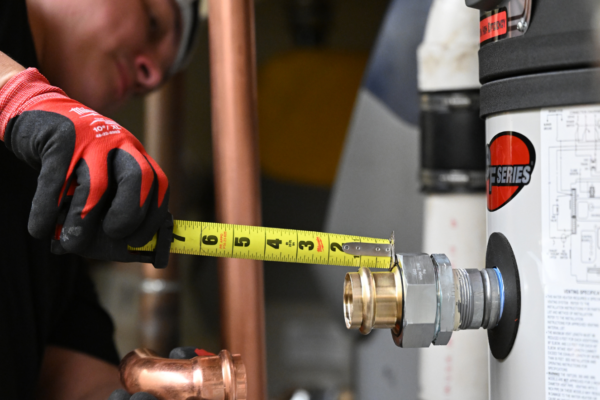
As hospitals and healthcare campuses continue to modernize, expand specialty services and adapt to changing patient demands, hot water system s are becoming a far more critical design consideration than many project teams realize.
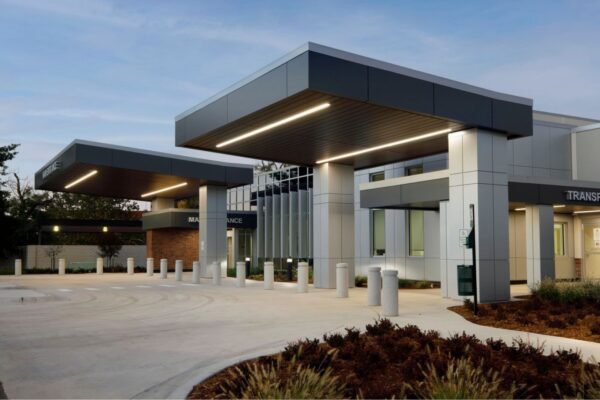
Certificate of Need (CON) laws are regulations that require healthcare facilities to obtain state approval before expanding their practices, such as building new facilities, adding to existing facilities and offering certain services.