

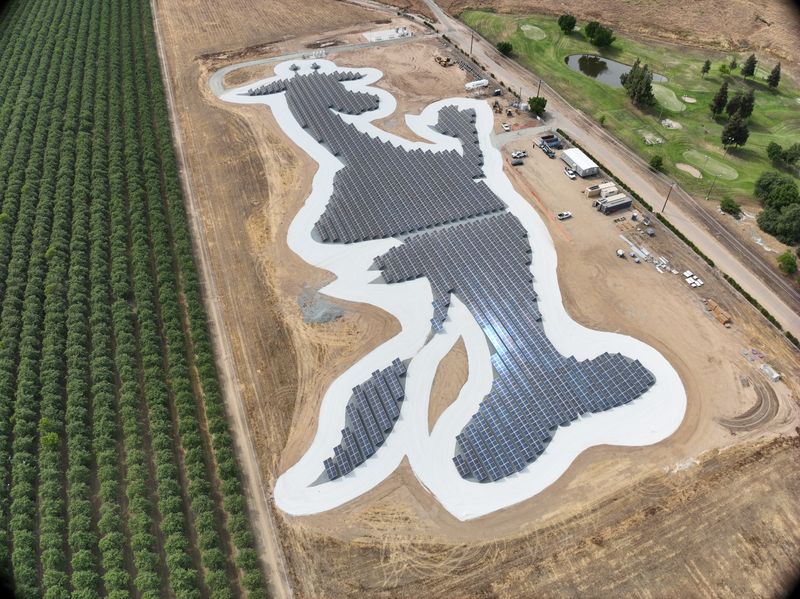
Valley Children’s microgrid combines on-site solar generation, energy storage and fuel cells into an integrated system designed to provide reliable, resilient power for the hospital campus. | Photo credit: Valley Children’s Healthcare.
By Danielle Barry
Healthcare facilities are expected to remain operational under any circumstances. Whether it’s severe weather, natural disasters like wildfires or the increasing demands on an aging electrical grid, hospitals cannot afford to lose power.
As these challenges become more frequent, energy resilience has become a core component of facility planning. At Valley Children’s Healthcare in Madera, Calif., this has prompted a different approach to campus infrastructure.
Back in 2022, Valley Children’s became one of the first hospitals in the nation to sign the U.S. Department of Health and Human Services Health Sector Climate Pledge. In part, it’s a commitment to reduce greenhouse gas emissions.
The pledge recognized that healthcare organizations have the responsibility to reduce their environmental footprint, while also ensuring they can continue providing care when communities need them most.
That commitment ultimately evolved into one of the country’s most ambitious renewable energy projects in pediatric healthcare. Valley Children’s microgrid combines on-site solar generation, energy storage and fuel cells into an integrated system designed to provide reliable, resilient power for the hospital campus.
Once fully operational, the system is expected to supply approximately 80% of the hospital’s energy needs and reduce campus carbon emissions by half and generate an estimated $15 million in energy savings over the following 25 years. Its design also supports the organization’s long-term goal of achieving net-zero emissions by 2050.
The project also includes a 1.3-megawatt, solar photovoltaic array that’s compromised of 2,256 panels spread across an 800-foot-by-350-foot site. Designed in the shape of the hospital’s beloved mascot, George the Giraffe, the array demonstrates that critical infrastructure can also become a recognizable — and fun — part of a healthcare campus’s identity.
The array really serves a critical role as the microgrid’s primary source of on-site renewable generation, working alongside energy storage and fuel cells to reduce dependence on the utility grid.
The microgrid project is an opportunity for other healthcare facilities to learn lessons in renewable energy. Resilience and sustainability should be viewed as complementary objectives, rather than competing priorities. Investments that reduce emissions can also improve operational continuity during grid disruptions.
Healthcare energy infrastructure should also be planned as part of overall campus development, not as a standalone utility project. Integrating renewable generation, storage and intelligent controls into facility planning allows health systems better prepare for future demands while improving operational flexibility.
Projects of this scale require leadership commitment across the organization. Valley Children’s concept for its signature solar array originated internally and received immediate executive support, reflecting an institutional commitment to resilience, innovation and environmental stewardship that extended well beyond the facilities department.
As healthcare systems nationwide confront increasingly complex climate and energy challenges, resilient infrastructure will become an essential element of hospital design and operations.
Valley Children’s experience demonstrates that investments in renewable energy can strengthen operational reliability while advancing ambitious sustainability goals, offering a practical model for organizations seeking to build facilities prepared for the decades ahead.
Danielle Barry is the Senior Vice President & Chief Operating Officer of Valley Children’s Healthcare.