

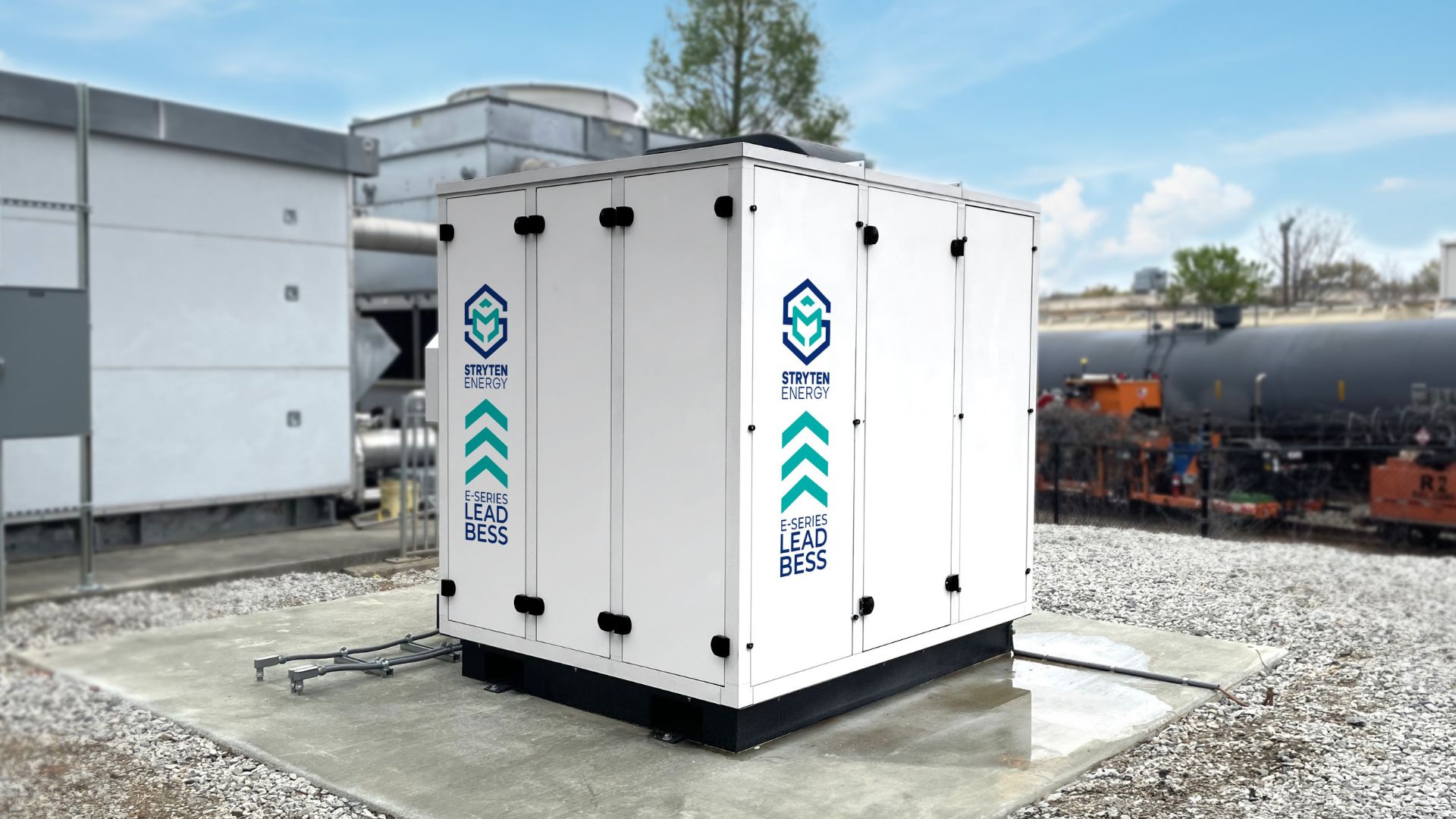
Photo: Battery Energy Storage Systems (BESS) strengthen resilience by delivering instant backup power, bridging the gap between utility loss and generator start while protecting sensitive equipment from voltage drops. | Photo Credit (all): Courtesy of Stryten Energy
By Scott Childers
Hospitals run on uninterrupted power and operate at a different risk threshold than other facilities. From operating rooms and ICUs to diagnostic imaging and pharmacy refrigeration, even a brief outage puts lives at risk. That’s why energy resilience isn’t just an operational goal; it’s a patient safety imperative.
Within the healthcare sector, hospitals use nearly 10% of all commercial building energy while occupying only 4% of the space. Annual energy costs top $8 billion.
What Hospitals Face When the Grid Fails
The Department of Energy warns that blackouts could increase by 100 times in 2030 if the U.S. continues to close reliable power sources. Hospitals can no longer rely solely on the traditional 96-hour generator standard. They need strategies that keep entire campuses powered through extended disruptions. Hospitals need storage solutions that can carry critical loads through disturbances and manage peak demand every day, because resilience is patient safety.
Recent hurricanes demonstrate what is at stake. When Hurricane Helen and Milton struck Florida, North Carolina, Georgia and South Carolina in late 2024, widespread power outages forced temporary closures at more than half of healthcare providers surveyed by Direct Relief. Among 80 community health centers and free clinics responding, 54% reported shutting down at least one site due to power loss. Those outages led to nearly 28,000 canceled or delayed patient visits and forced nearly one-fourth of providers to throw away temperature-sensitive medicines.
Battery Energy Storage Systems: A Smarter Safety Net
Battery Energy Storage Systems (BESS) strengthen resilience by delivering instant backup power, bridging the gap between utility loss and generator start while protecting sensitive equipment from voltage drops. They also help hospitals manage energy costs by reducing demand charges and optimizing usage.
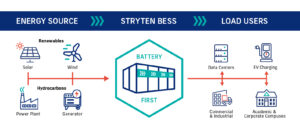
When paired with solar or combined heat and power, a BESS enables microgrid capability, allowing hospitals to maintain critical operations even during extended grid outages. Commercial and industrial facilities have already proven the value of storage for backup power, peak shaving and renewable integration.
Choosing the Right Technology Matters
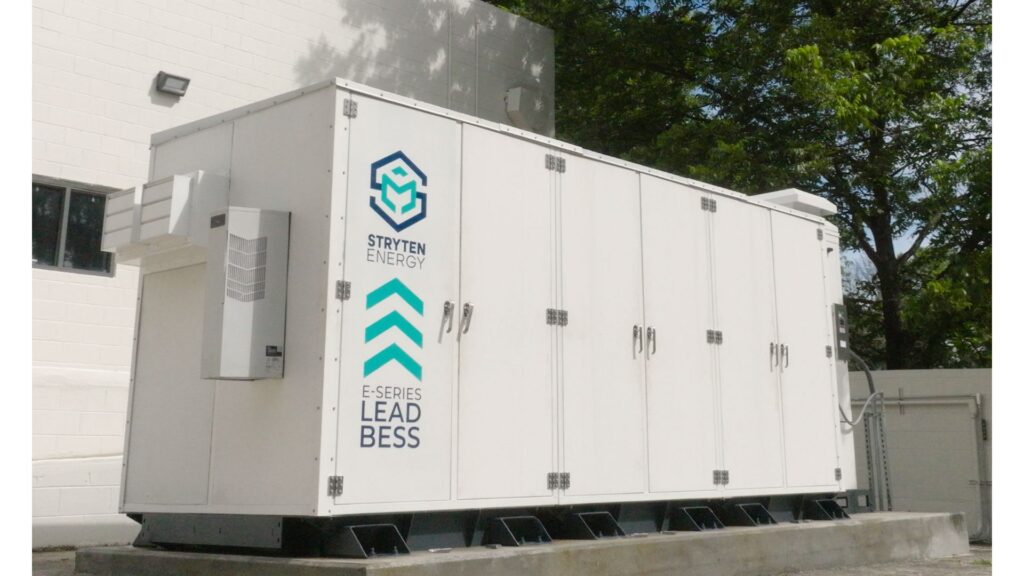
Hospitals can choose from several proven battery technologies. Lithium batteries are often used for their fast response and short-to medium-duration backup. They also scale easily, which is why U.S. storage capacity grew 66% in 2024, adding 10.4 gigawatts, with nearly double that expected in 2025. For facilities that need extended resilience, vanadium redox flow batteries deliver up to 10-24 hours of discharge without capacity loss and are designed for decades of service life, ideal for prolonged outages. Lead-based solutions remain a strong choice for certain applications thanks to their proven reliability, recyclability and robust domestic supply chain.
One recent example: Applied Medical in California chose a vanadium redox flow battery system from CellCube to power a microgrid, helping ensure their critical medical equipment operation keeps producing even during grid failures. Solutions like these show how advanced storage technologies are already making a difference for healthcare providers facing real-world energy challenges.
Understanding the strengths of each technology is the first step. The next step is figuring out how these systems fit into a hospital’s existing infrastructure and compliance requirements.
The Path Ahead for Hospital Resilience
Integration is also simpler than many expect it to be. A BESS can be added to existing hospital infrastructure without disrupting operations. These systems support compliance with Joint Commission standards and NFPA emergency power requirements.
With healthcare energy costs topping $8 billion annually and battery storage adoption accelerating at a record pace, now is the time for hospitals to act. The right storage solution can keep critical systems running, control costs and support maintaining a positive patient experience.
Scott Childers is Vice President, Essential Power, for Stryten Energy.