

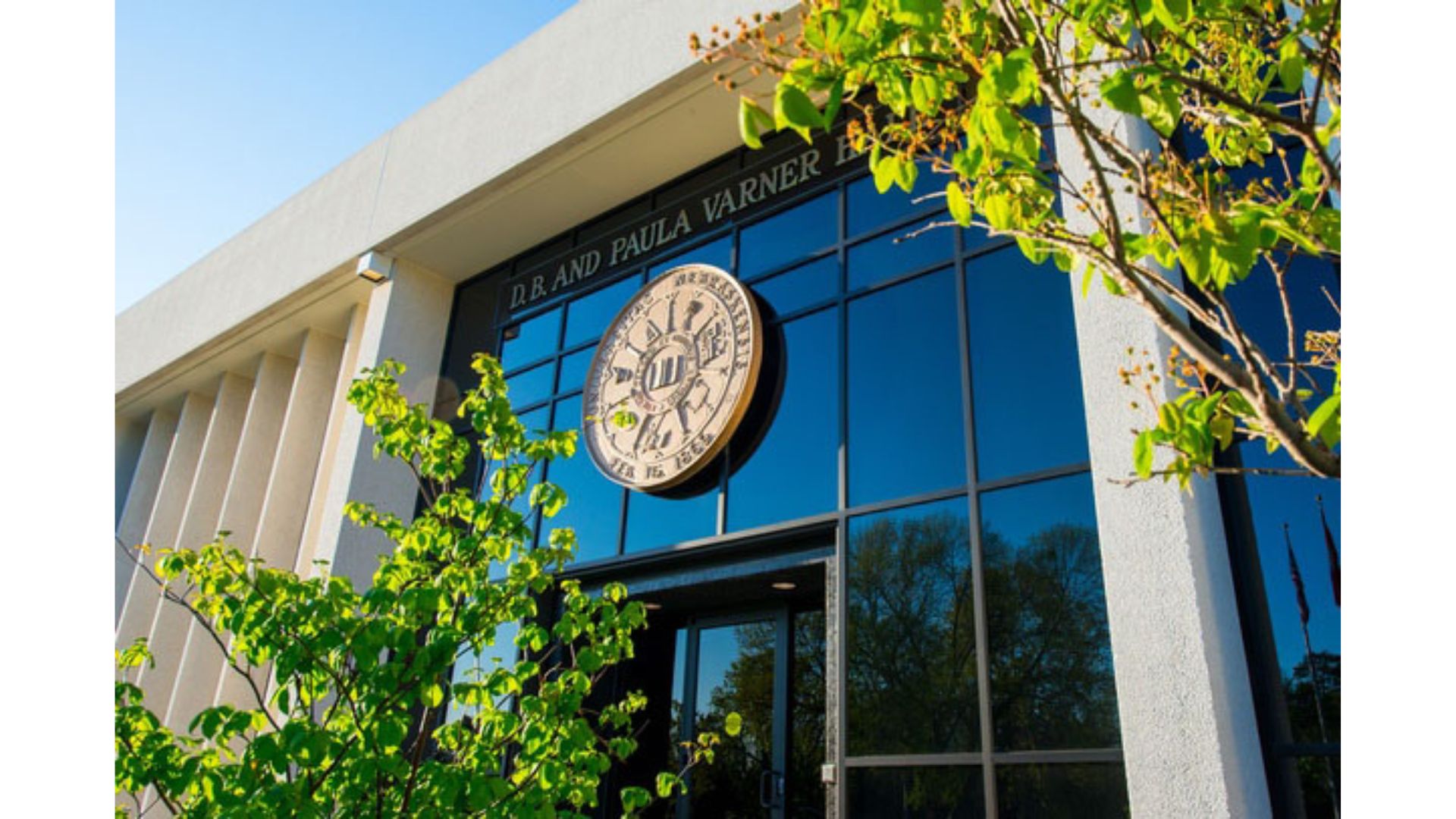
A proposed governance change for Nebraska Medicine is headed to the University of Nebraska Board of Regents, with university leaders calling it a strategic step that could accelerate Project Health — UNMC’s Omaha campus facilities replacement effort — and bolster investment in Nebraska’s academic health system. | Photo Credit: UNMC
What You Need to Know:
- The University of Nebraska Board of Regents is scheduled to meet Jan. 9 to consider a proposed change in Nebraska Medicine’s governance structure.
- Clarkson Regional Health Services plans to resign its 50% membership rights, leaving the University of Nebraska as the sole member of Nebraska Medicine.
- The proposed terms include a $500 million payment to Clarkson, an additional purchase of land and buildings expected to be about $300 million, and a $200 million donation to support Project Health.
- University officials say day-to-day operations and staffing would not change; the goal is stronger alignment and capital capacity for future facilities and growth.
Read More:
OMAHA, Neb. — A proposed governance change for Nebraska Medicine is headed to the University of Nebraska Board of Regents, with university leaders calling it a strategic step that could accelerate Project Health — UNMC’s Omaha campus facilities replacement effort — and bolster investment in Nebraska’s academic health system.
University officials describe the proposal as the next step in a plan to strengthen education, research and patient care, and they say the focus is future growth rather than altering current services.
The regents are expected to consider the transaction during a special meeting Friday, Jan. 9. The proposal would shift Nebraska Medicine from a dual-member structure shared by the university and Clarkson Regional Health Services to a sole-member structure under the university.
Clarkson has notified the university and Nebraska Medicine that it intends to resign its 50% membership rights. In exchange, the University of Nebraska would pay Clarkson $500 million. The university also would purchase land and buildings at appraised fair market value, expected to be about $300 million.
As part of the transaction, Clarkson would donate $200 million to the University of Nebraska — described as among the university’s largest philanthropic gifts—to support Project Health, the ongoing facilities replacement project on UNMC’s Omaha campus.
University officials say the transaction is designed to preserve Nebraska Medicine’s nonprofit status and keep clinical operations stable while positioning the system for future growth. “This is truly a transformational and historic moment for all Nebraskans,” said University of Nebraska President Jeffrey P. Gold, MD, according to a UNMC Newsroom article.
Regents Chair Paul R. Kenney said the proposed structure mirrors governance models used at peer academic medical centers, as outlined in the UNMC Newsroom fact sheet.
Nebraska Gov. Jim Pillen said he supports the transaction and views it as a way to keep the state’s academic medical enterprise under local leadership. “This transaction will do just that, and will ensure this tremendous public asset remains fully under Nebraska leadership,” Pillen said, according to a UNMC Newsroom article.
A fact sheet included with the announcement describes Nebraska Medicine as UNMC’s primary teaching site and says many faculty physicians are dually employed by both organizations. It also says the organizations already share branding and operate on co-located campus facilities that include clinical, research, educational and support space.
Project Health is central to the strategy. The fact sheet describes the initiative as the creation of Nebraska’s largest teaching, clinical research and clinical health care facility, including a new inpatient hospital that would serve as Nebraska Medicine’s primary inpatient site and the training ground for UNMC’s next generation of health care professionals. The document also links the project to workforce demand and economic growth potential for the state.
The fact sheet argues that a unified governance structure could improve access to capital for future improvements by providing a model that is more familiar to credit markets and rating agencies. It says Nebraska Medicine currently has limited debt capacity and that the existing governance structure can be confusing in financial markets.
This article is based on reporting originally published by UNMC Newsroom on Jan. 5, 2026. Original source