How Energy Is Shaping Healthcare Facilities in 2026
Healthcare facilities leaders in 2026 are navigating a perfect storm: persistent staffing shortages, rising operational costs and mounting budget pressures.
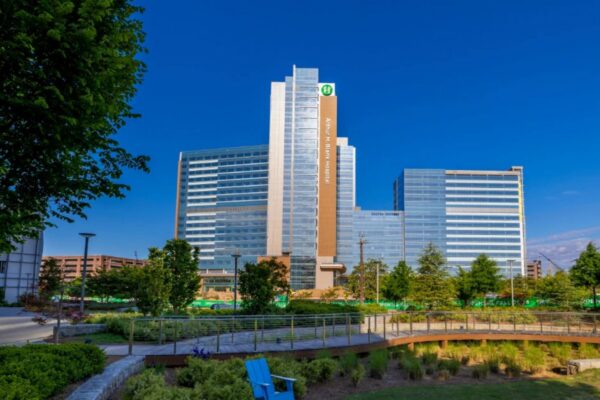
The new $1.9 billion University Hospital at The Ohio State University Wexner Medical Center in Columbus represents both a leap forward in clinical capability and a demonstration of modern integrated design and construction delivery.
In today’s rapidly evolving healthcare landscape, demand for outpatient facilities continues to grow. The traditional monolithic hospital is no longer the sole center of care.
After joining Children’s Healthcare of Atlanta in 2016, Chris Chelette led the master planning, design, and construction of the more than $2 billion North Druid Hills campus.
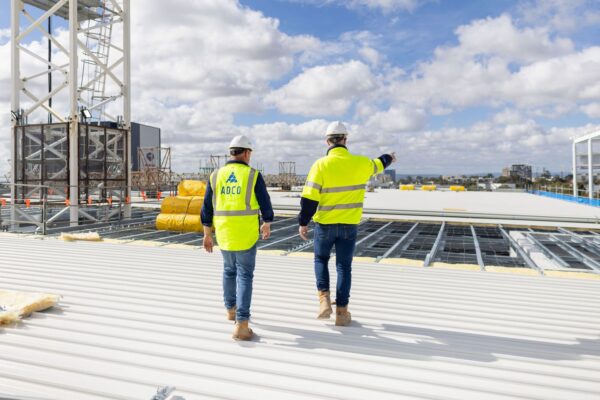
Healthcare construction rarely struggles with a lack of safety planning. Where it can fall short is keeping those plans aligned with what is actually happening on site.
Effective surgical fire prevention begins with an ongoing, comprehensive risk assessment. Unlike other areas of a health care facility, operating rooms require heightened attention because fires can occur in or on the patient.
Hardware, network architecture and smart solutions are expanding what is possible within hospitals and beyond with a rate of change that is showing no signs of slowing down.
When they’re optimized, central plants become catalysts for resilience, sustainability and savings.
Taylor Design celebrated the ribbon cutting for San Mateo County Health’s Medical Center Campus, marking a milestone in a near-decade-long transformation that began with a master plan in 2016.
Reimagining the central plant as a strategic asset rather than a background utility changes everything. With the right assessments and data-driven modeling, these systems can move from being drains on budgets to drivers of savings, reliability, and healthier environments. To understand how central plants can become assets rather than liabilities, it helps to first examine the daily challenges faced by the people who run them.