

Engaging Caregivers in the Design Process
For a healthcare organization kicking off a new building project, the beginning of the design process is an exciting and important moment.

For a healthcare organization kicking off a new building project, the beginning of the design process is an exciting and important moment.
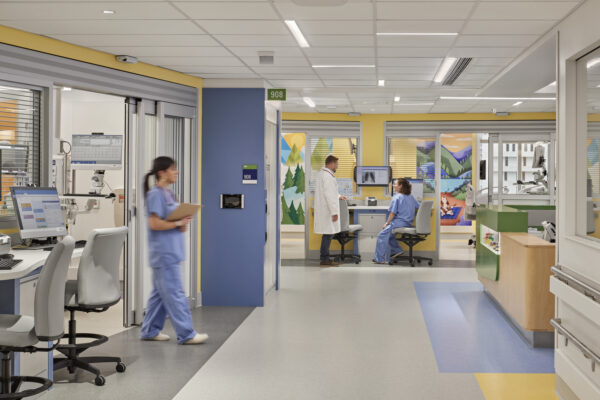
In specialty care settings, from cancer centers to neurological hospitals and pediatric facilities, the relationship between design and workforce sustainability is especially pronounced.
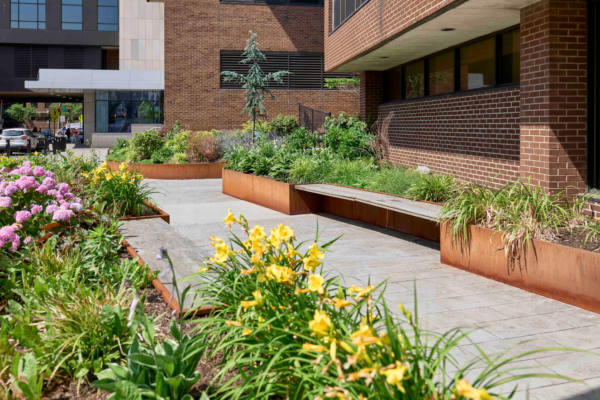
As cities expand, “pocket gardens” have emerged as a scalable response to introduce green interventions into densely built streetscapes.
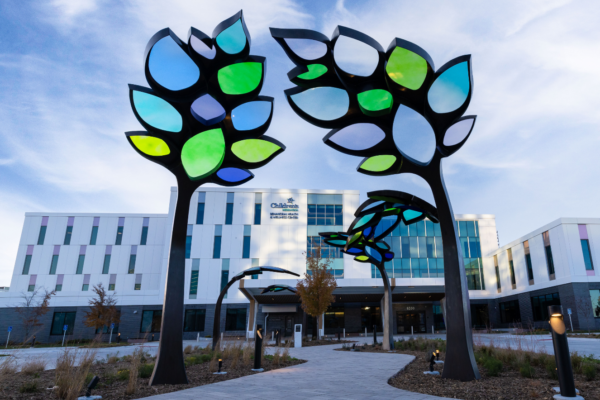
Children’s Nebraska’s new $114 million Behavioral Health & Wellness Center in Omaha was designed for healing and safety simultaneously rather than treating them as competing priorities.
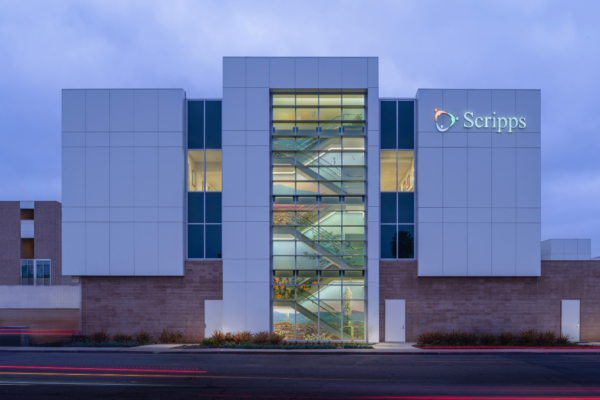
The tower includes 36 private medical-surgical beds, a 16-bed intensive care unit, a 16-bed postpartum unit connected directly to the…

In April Wold Architects & Engineers announced Chris Jann as a Healthcare Business Development Leader in the company’s Minneapolis office.
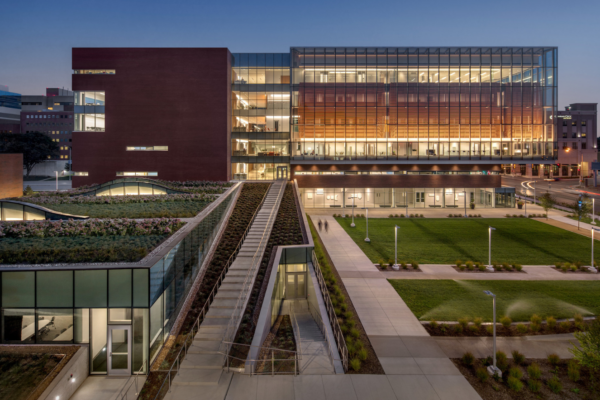
Healthcare facilities have always been complex to design and build, but today’s environment is introducing a new level of pressure.
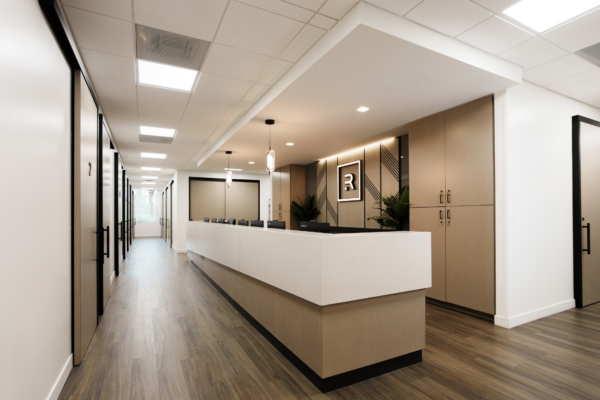
Modern dermatology practices often combine medical care, cosmetic services and retail offerings under one roof.
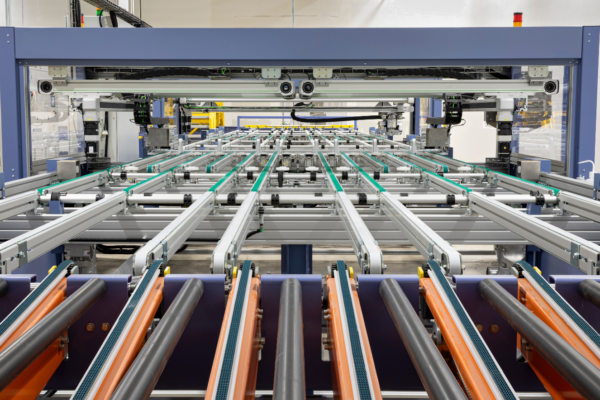
In recent decades, healthcare facilities have reduced energy intensity. Following lighting upgrades, advanced controls, and filtration improvements, hospitals that once operated at 300-500 kBTU per square foot annually now often operate in the 200-400 range.
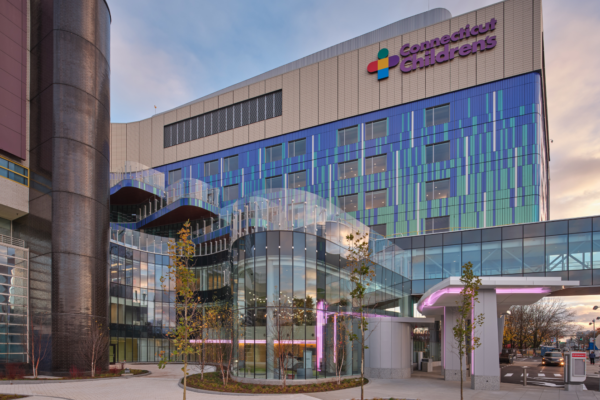
The 190,000-square-foot Connecticut Children’s tower project marks the largest expansion for the hospital since it first opened in 1996.